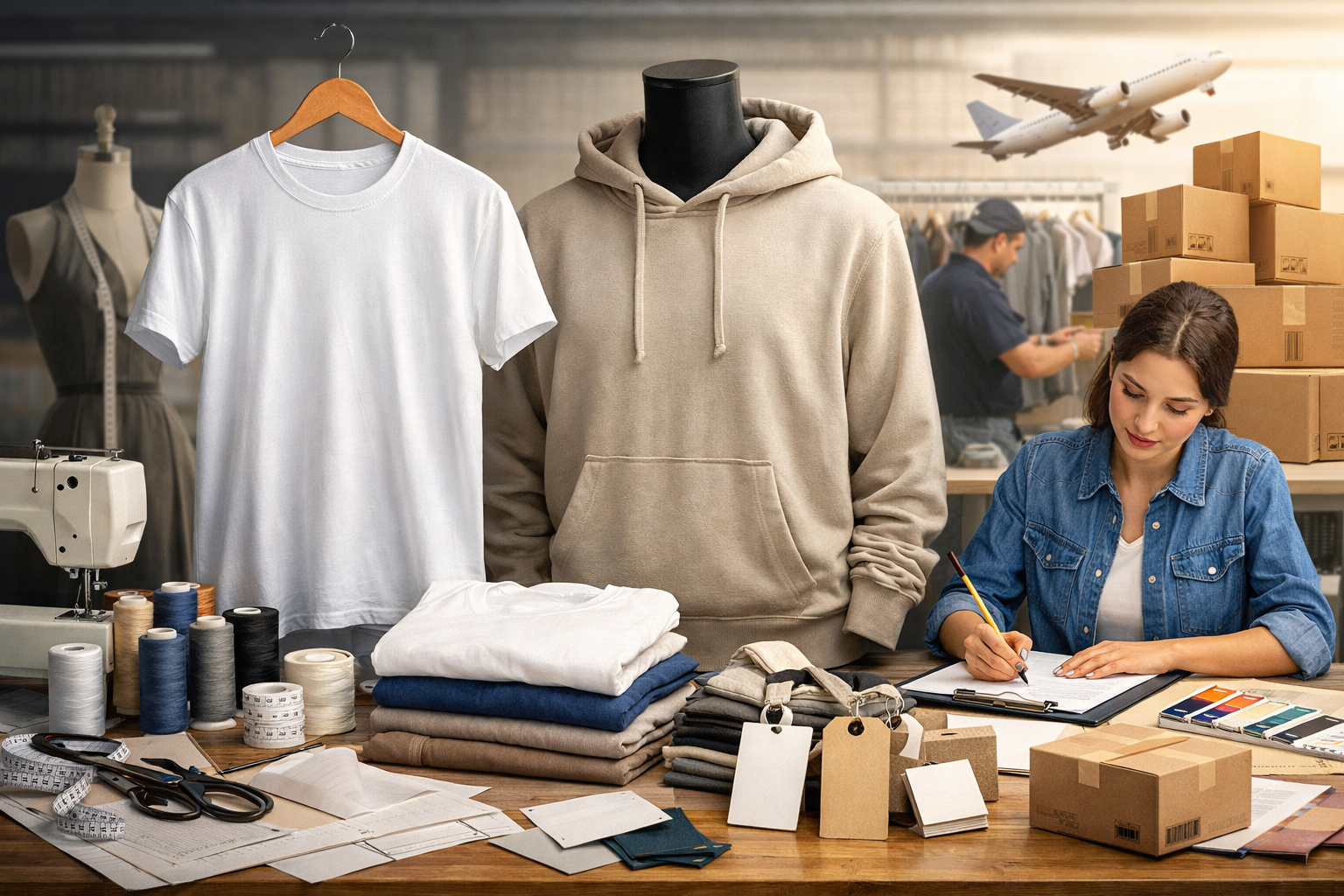
Starting a clothing brand sounds fun at first. Then the real stuff hits. You need samples that look right, prices that still leave profit, low minimums, clear lead times, and a factory that won’t ghost you after the deposit. That’s why so many founders start by looking for white label clothing manufacturers. It gives you a faster way to put your brand on proven products without sinking money into patterns, machinery, or a full team before sales even begin.
For startups, speed matters. Cash flow matters more. You can’t afford weak stitching, random size grading, delayed shipping, or labels sewn in crooked. You also can’t afford to choose the wrong supplier and find out too late. The right partner helps you build a line that looks polished from day one. The wrong one leaves you fixing returns, angry emails, and wasted inventory.
At Rays Creations, we work with startups, growing brands, and established sellers that need dependable production for leather goods and apparel. That includes outerwear, activewear, tees, hoodies, gloves, bags, wallets, belts, and branded pieces made for real sales, not just pretty sample photos. When founders search for white label clothing manufacturers, they usually want three things fast: lower risk, cleaner branding, and a supplier that actually understands business.
Why White Label Clothing Manufacturers Make Sense for Startups
White label production gives you a ready starting point. Instead of building every style from zero, you choose a proven base product, add your branding, adjust some details, and go to market faster. That’s why white label clothing manufacturers are such a practical fit for startup brands with small teams and tight budgets.
This model works especially well when you’re testing demand. Maybe you want to launch a small outerwear line with bomber jackets, biker jackets, and denim jackets before moving into cut-and-sew collections. Maybe you want branded hoodies now and custom bags later. In both cases, white label clothing manufacturers help you enter the market without getting buried in factory setup costs.
It also helps protect your focus. Founders should spend more time on positioning, product selection, pricing, content, and sales. Production still matters, a lot, but it shouldn’t eat every hour of your week.
How White Label Clothing Manufacturers Help You Launch Faster
A strong factory partner already knows how to source fabric, control stitching, place labels, check measurements, and prepare bulk orders. That cuts down the learning curve. Good white label clothing manufacturers also know how startups think. You’re not ordering endless units. You’re testing. You’re trying to get traction. You need room to grow without getting locked into giant commitments.
This matters even more for USA-based brands sourcing from both domestic and overseas channels. A smart setup often uses a USA brand perspective with flexible sourcing. That means keeping brand standards, quality checks, and customer expectations at the center, while using overseas production where it makes sense for cost and scale. The best white label clothing manufacturers know how to balance those two things without making your line feel cheap.
Wholesale Bomber Jacket Programs for Startup Outerwear Brands
Outerwear is one of the easiest ways to make a new brand look serious. A good jacket holds margin better than many basic items, and it gives your branding more room to stand out. A wholesale bomber jacket program works well when you want a clean silhouette that fits streetwear, teamwear, lifestyle, and promotional collections.
For startups, bomber jackets are useful because they can be simple or premium. You can start with standard shells and branded linings, then move into leather trims, custom ribbing, patchwork, or lined satin versions later. Many white label clothing manufacturers offer bomber styles in stock-ready forms, which gives you a quicker route to market than fully custom outerwear.
If your audience wants edgy classics, a custom wholesale bomber jacket route lets you add branded zippers, private labels, logo patches, and custom colorways while still keeping the production process manageable.
Wholesale Biker Jackets and Buy Biker Jackets Wholesale the Smart Way
Leather outerwear has stronger identity than almost any other category. It tells people what your brand is about in one glance. That’s why wholesale Biker jackets are a strong option for startups that want a bold first collection and a premium price point.
But this is also where mistakes get expensive. When brands rush to buy Biker jackets wholesale, they often focus only on the look of the sample. That’s not enough. You need to check leather grade, panel consistency, zipper quality, lining durability, fit balance, and hardware finish. A jacket can look great in a photo and still fail after a few wears.
For a USA-based brand using overseas production, biker jackets need extra care. Leather quality can vary a lot between batches. Hardware can shift slightly in color. Sizing can run off if grading is rushed. The best white label clothing manufacturers keep tighter quality control, clearer approvals, and honest material specs before bulk starts.
Wholesale Denim Jackets for Brands That Want Everyday Appeal
A wholesale denim jackets line gives startups a product with broad appeal. Denim works across seasons, takes embroidery and patches well, and fits both fashion and merch-driven brands. It’s easier to sell than some niche items because people already know how to wear it.
Denim jackets also work nicely in steps. You can begin with core washes, then add distressing, branded shanks, custom labels, or contrast panels as your orders grow. For founders who want stronger brand identity, custom wholesale denim jackets helps turn a familiar product into something customers recognize as yours.
A lot of startups choose bomber, biker, and denim outerwear together because the mix creates a fuller collection without needing dozens of SKUs. That’s a smart move when you want range but still need inventory discipline.
How to Get Clothing Manufactured Without Burning Your Budget
The first step in how to get clothing manufactured is getting clear on what you’re actually selling. Not what looks cool on a mood board. What can sell, ship, and make money. Start with a tight product list. Maybe three jackets, two tees, one hoodie, and one bag. That’s enough to test brand direction without spreading cash too thin.
Next, build basic production documents. Even when using white label clothing manufacturers, you still need clear branding notes, size expectations, fabric choices, trim callouts, care labels, and packaging details. Loose instructions create loose results.
Then sample slow and bulk smart. Don’t approve a jacket because it looks fine from far away. Check seam strength. Try the zippers. Measure every size point. Wash test where needed. Ask who sources the fabric. Ask what changes after sample approval. Ask who checks the bulk run before shipping. That’s the real side of how to get clothing manufactured.
USA and Overseas Sourcing With a USA-Based Brand Perspective
A lot of founders think they must choose either USA production or overseas production. That’s too narrow. Many startup brands do better with a mixed plan. Use the USA-based brand perspective for quality standards, customer service expectations, and final brand presentation. Then choose sourcing lanes based on the product itself.
For example, some leather pieces, gloves, or large-volume apparel may make more sense overseas because of material access and labor structure. Some quick-turn branded items or limited batches may work better closer to home. Good white label clothing manufacturers help you make that call product by product, not with a one-size-fits-all answer.
This matters for leather goods too. Bags, wallets, belts, and gloves need more than nice pictures. Edge paint, lining, reinforcement, hardware, and hand feel all matter. Startups that ignore these details end up with a product that looks premium online but feels cheap in hand.
Red Flags to Watch for With Overseas Manufacturers
Not every factory that says yes should get your order. Some look polished at first and fall apart when the work starts. One red flag is vague pricing. If quotes change every other email, you’re going to have trouble later. Another is sample quality that doesn’t match the factory photos. That usually tells you the sample room and the bulk line are not on the same level.
Poor communication is another warning. If questions about fabric weight, labeling, MOQ, timelines, or defect rates get fuzzy answers, stop there. A serious production partner gives straight answers. The same goes for factories that push big deposits before giving clear approvals.
Be careful with factories that can “make everything.” Most reliable white label clothing manufacturers have lanes they do best. Maybe it’s outerwear. Maybe it’s leather. Maybe it’s knitwear. When a supplier claims mastery over every category, it often means weak depth in all of them.
Also watch for no paper trail. You need purchase orders, approvals, material confirmations, shipping terms, and records of changes. If that feels messy in the early stage, it gets worse in bulk.
What Startups Should Ask Before Choosing White Label Clothing Manufacturers
Ask what products they do best. Ask for minimum order quantities by style and color. Ask whether they support private labeling, custom trims, custom packaging, and graded sizing. Ask how they handle defects and remakes. Ask for realistic lead times, not fantasy lead times.
Most of all, ask how they support small brands. The right white label clothing manufacturers don’t treat startups like a burden. They treat them like future long-term clients.
Why Rays Creations Is a Practical Fit for Startup Brands
Rays Creations works from a real production view, not just a sales view. Startups need more than nice words. They need products that can hold up in the market, branding that looks clean, and a path that makes sense whether they’re launching jackets, gloves, activewear, bags, or leather accessories.
That’s where the right factory relationship changes things. Good white label clothing manufacturers don’t just make products. They help reduce wrong moves early, and that can save a startup a lot of pain.
FAQs
What do white label clothing manufacturers do for startups?
White label clothing manufacturers help startups launch clothing under their own brand without building a factory. They handle sampling, sourcing, sewing, labeling, packing, and often shipping too. That saves time, lowers upfront risk, and gives founders a faster path from idea to first sale.
They’re a strong fit for founders who want speed, cleaner branding, and lower setup costs. They also help brands test products before jumping into deeper custom development.
How do you get clothing manufactured when you’re just starting out?
Start with a clear tech pack, a small product line, and a factory that accepts low minimums. Test samples before placing bulk orders, check fabric quality, and lock in timelines early. That’s how to get clothing manufactured without wasting cash on wrong fits, bad trims, or late production.
Many startups lose money by trying to do too much too soon. Keep the first launch tight. Learn from real orders, then grow into larger collections.
Are overseas factories good for startup brands?
Overseas factories can work very well for startup brands when quality control, communication, and approvals are handled right. They often give better cost options for bulk production, but they also carry more risk if specs are unclear, timelines are rushed, or the supplier hides material and construction details.
The key isn’t just location. It’s process. A good supplier with clear systems beats a cheap supplier with vague promises every time.







 Search in Photos
 Search in Albums
 Search in Members
 Search in Articles
 Search in Blogs
 Search in Businesses
 Search in Events
 Search in Groups
 Search in Listings
 Search in Music Albums
 Search in Music Songs
 Search in Pages
 Search in Questions
 Search in Quotes
 Search in Recepies
 Search in Thoughts
 Search in Videos
 Search in Wishes
 Search in Prayers