Choose a test user to login and take a site tour.
To continue using the site you need to read the revised version and agree to the policies
Search in Photos
Search in Albums
Search in Members
Search in Articles
Search in Blogs
Search in Businesses
Search in Events
Search in Groups
Search in Listings
Search in Music Albums
Search in Music Songs
Search in Pages
Search in Questions
Search in Quotes
Search in Recepies
Search in Thoughts
Search in Videos
Search in Channels
Search in Wishes
Search in Prayers
Search in Discussions
Search in Products
Search in Jobs
Search in Products
6 minutes, 27 seconds
-37 Views 0 Comments 0 Likes 0 Reviews
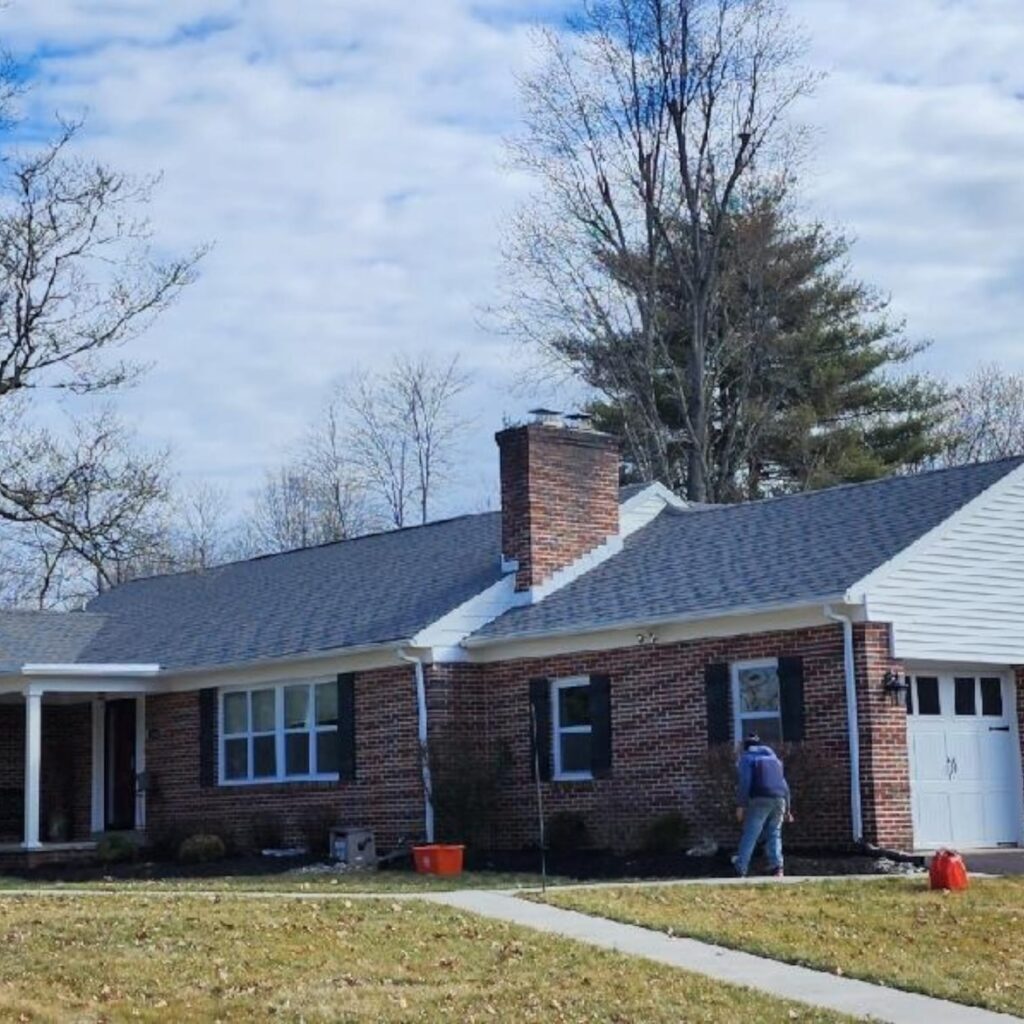
The home inspection is the most critical juncture in any real estate transaction. It is the moment when the glossy veneer of the listing photos is stripped away, and the harsh reality of the property's physical condition is revealed. As a professional home inspector, my job is to protect the buyer from acquiring a hidden financial disaster. While minor plumbing leaks or outdated electrical panels are concerning, the most significant, deal-breaking issues I uncover are almost always located above the ceiling. A compromised exterior envelope is a massive liability that threatens the entire structure. For buyers and sellers navigating a transaction, understanding the specific red flags that definitively mandate a Residential Roof Replacement Philadelphia is essential for negotiating the final sale price and securing the long-term viability of the asset.
The Presence of Multiple Shingle Layers
One of the first things I look for is the thickness of the roof covering at the eaves. Building codes generally permit a maximum of two layers of asphalt shingles. If I discover a third layer, it is an immediate, non-negotiable failure. Inexperienced or unscrupulous contractors often add new layers over old ones to save the cost of a tear-off. This practice adds thousands of pounds of dead weight to the structural framing, vastly exceeding the engineered load limits of the trusses. Furthermore, the new shingles cannot adhere properly to the uneven surface of the old ones, guaranteeing a significantly shortened lifespan and a high probability of wind damage. A multi-layer roof requires a complete, immediate tear-off down to the original wooden decking.
Extensive Decking Rot and Delamination
The visual inspection of the exterior shingles only tells half the story; the true health of the system is revealed in the attic. When I inspect the underside of the roof deck, I am looking for systemic moisture damage. If the plywood or OSB decking exhibits widespread dark water staining, smells strongly of mildew, or feels spongy when prodded with an awl, the substrate has failed. In severe cases, the layers of the plywood will literally begin to peel apart (delamination). This extensive rot is usually the result of chronic, long-term leakage or severe attic ventilation failure. You cannot simply nail new shingles onto rotting wood. This level of substrate damage necessitates the complete removal of the exterior and the replacement of large sections of the structural decking.
Catastrophic Flashing Failures at Intersections
The weakest points of any exterior envelope are the intersections: where the roof meets a chimney, a dormer window, or a vertical wall. These critical junctions must be protected by custom-fabricated metal flashing. If I find that the flashing is heavily rusted, entirely missing, or worse, has been temporarily patched with thick layers of black roofing tar, it is a massive red flag. Roofing tar is a temporary band-aid that will inevitably dry out, crack, and fail. A reliance on tar indicates a history of chronic leaks and a failure to execute proper, professional repairs. If the flashing systems are fundamentally compromised across the roof, a complete replacement is the only way to guarantee a watertight seal.
Widespread Granular Loss and Exposed Fibreglass
The lifespan of an asphalt shingle is dictated by its protective layer of ceramic granules. These granules shield the underlying asphalt from the sun's destructive UV rays. During my inspection, I assess the extent of this granular loss. If the gutters are choked with sediment, and the shingles themselves look shiny, bald, or have the underlying fibreglass matting visibly exposed, the chemical integrity of the roof has collapsed. The asphalt is actively baking and becoming brittle. A roof in this condition has zero weatherproofing capability left. It will not survive the next severe hailstorm or high-wind event, making a full replacement an immediate and unavoidable necessity for the new owner.
Conclusion
A home inspection provides the unvarnished truth about a property's structural health. Recognizing the critical red flags—illegal multiple shingle layers, extensive decking rot, failing flashing systems, and catastrophic granular loss—is essential for anyone involved in a real estate transaction. When these severe deficiencies are present, the roof has surpassed its functional lifespan. A complete structural replacement is the only responsible course of action to protect the home's interior, ensure the safety of the occupants, and secure the true value of the real estate investment.
Call to Action
Don't let a failing roof derail your real estate transaction. Our experts provide comprehensive, honest evaluations and premium replacement services to ensure your property is structurally sound and ready for the market. Contact us today to secure your home’s value.