Choose a test user to login and take a site tour.
To continue using the site you need to read the revised version and agree to the policies
Search in Photos
Search in Albums
Search in Members
Search in Articles
Search in Blogs
Search in Businesses
Search in Events
Search in Groups
Search in Listings
Search in Music Albums
Search in Music Songs
Search in Pages
Search in Questions
Search in Quotes
Search in Recepies
Search in Thoughts
Search in Videos
Search in Channels
Search in Wishes
Search in Prayers
Search in Discussions
Search in Products
Search in Jobs
Search in Products
6 minutes, 20 seconds
-1 View 0 Comments 0 Likes 0 Reviews
We tend to look at paint swatches and material samples through a lens of pure preference, deciding quickly if we simply like or dislike a particular shade. This surface-level approach completely ignores the profound psychological weight that colour and texture carry when applied to large, permanent structures inside a home. The visual mass of built-in woodwork dictates how your brain interprets the size, temperature, and emotional tone of the entire room. Choosing a finish is not just about picking a pretty colour; it is about deciding how you want the room to make you feel every single morning.
Dark, heavy colours absorb light aggressively. When applied to tall wall units in a room with limited natural windows, navy blues, forest greens, or dark espresso stains can make the walls feel as though they are physically closing in. This creates a den-like, serious atmosphere that might be perfect for a quiet library but often feels entirely out of place in a room dedicated to energetic morning routines and active food preparation. Conversely, applying stark, brilliant white to every single surface reflects so much light that the room can quickly take on the sterile, uninviting atmosphere of a commercial laboratory.
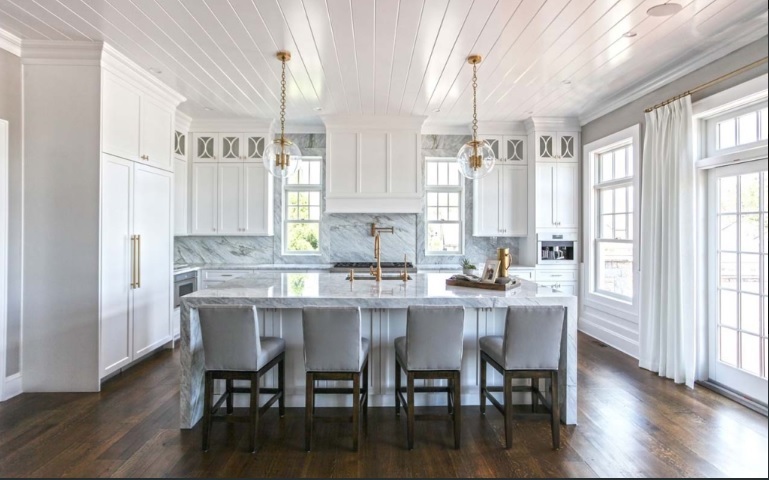
The selection process for CT kitchen cabinets demands a careful balancing act between light absorption and reflection. Mid-tone warm greys, soft oatmeals, and muted sage greens have gained massive popularity precisely because they strike this perfect balance. These colours reflect enough ambient light to keep the space feeling open and airy, while providing just enough pigment to anchor the cabinetry to the floor and prevent the room from feeling completely washed out. They provide a calm, grounding backdrop that allows the food and the people in the room to provide the visual interest.
Texture is the silent partner to colour, heavily influencing how a painted or stained surface is perceived. A high-gloss finish acts almost like a mirror, bouncing sharp reflections around the room. While this can artificially expand a very small space, it also highlights every single fingerprint, smudge, and speck of dust, demanding constant maintenance. A matte or eggshell finish, on the other hand, diffuses light softly. This creates a velvety, forgiving surface that hides minor imperfections and imparts a sense of quiet luxury that feels far more relaxed and liveable.
The concept of visual weight also dictates how we should distribute colour vertically. The human eye expects heavier elements to be near the floor, mimicking the natural world. This is why two-toned designs remain highly effective. Placing a darker shade or a rich wood stain on the base units grounds the design, giving it a feeling of solid permanence. Using a significantly lighter shade on the upper wall units causes them to visually recede into the ceiling, immediately making the entire room feel taller and less cluttered.
Wood grains add an entirely different psychological element to the environment. Natural wood introduces an organic, irregular pattern that our brains find inherently soothing. In homes dominated by smooth drywall, glass windows, and metal appliances, the introduction of a clear-coated walnut or white oak breaks up the industrial feel. The warmth of the wood provides a necessary organic contrast, reminding us of nature and bringing a tactile, authentic quality back into a highly engineered space.
The tactile experience of the hardware selected for these fixtures further influences the psychological reception of the room. Cabinet pulls and knobs act as the functional jewellery of the space, offering a constant physical connection point. Heavy, unlacquered brass hardware provides a solid, grounding touch that warms up a cool colour palette, while sleek, matte black handles lend a sharp edge to traditional wood grains. The weight and temperature of the metal beneath your fingers subtly reinforce the perceived quality of the entire installation.
Ultimately, the finishes you choose for your permanent fixtures will outlast countless trends and decorative accessories. Rather than trying to match the current month's design magazines, focus on the emotional response the materials evoke. By understanding how light, colour, and texture interact within your specific floor plan, you can craft a backdrop that perfectly matches the energy and rhythm of your household.
Conclusion
The colours and textures you apply to your built-in woodwork fundamentally alter the mood and perceived size of your space. By carefully balancing visual weight and light reflection, you can design a room that feels both grounding and refreshingly open.
Call to Action
Make confident, lasting choices regarding your home's aesthetic by consulting with design experts who understand the deep impact of material selection.