Choose a test user to login and take a site tour.
To continue using the site you need to read the revised version and agree to the policies
Search in Photos
Search in Albums
Search in Members
Search in Articles
Search in Blogs
Search in Businesses
Search in Events
Search in Groups
Search in Listings
Search in Music Albums
Search in Music Songs
Search in Pages
Search in Questions
Search in Quotes
Search in Recepies
Search in Thoughts
Search in Videos
Search in Channels
Search in Wishes
Search in Prayers
Search in Discussions
Search in Products
Search in Jobs
Search in Products
8 minutes, 44 seconds
-17 Views 0 Comments 0 Likes 0 Reviews
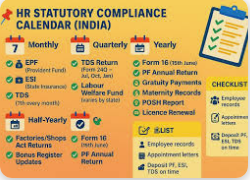
Running a business in India involves much more than generating revenue and managing operations. Companies must also follow a wide range of legal, financial, and regulatory obligations to remain compliant with government authorities. This is where the importance of a Statutory Compliance Calendar India becomes clear. It acts as a structured roadmap that helps businesses track important filing dates, tax deadlines, employee-related obligations, and corporate compliance requirements throughout the year.
As India’s business environment becomes more digitally regulated and transparent, companies are under increasing pressure to avoid delays, penalties, and legal complications. A properly managed statutory compliance calendar helps organizations stay organized, efficient, and legally secure while improving overall operational discipline.
Today, businesses of every size — from startups to multinational corporations — are recognizing that compliance management is no longer optional. It is an essential part of sustainable growth and corporate credibility.
If you want to learn about Tax Planning for Alternative Funds: Smart Strategies for Efficient Wealth Growth the enforceability of Non-Compete Clauses in modern employment contracts, this guide will help you understand everything step by step in a simple way.
A statutory compliance calendar is a planned schedule that tracks all mandatory legal and regulatory filings applicable to a business. It helps organizations monitor due dates and ensures that critical submissions are completed on time.
In India, compliance responsibilities can involve multiple departments, including:
Taxation
Payroll
Corporate governance
Labor law compliance
Financial reporting
Goods and Services Tax (GST)
Provident Fund (PF)
Employee State Insurance (ESI)
Registrar of Companies (ROC) filings
Because these obligations occur throughout the financial year, businesses need a centralized system to manage deadlines effectively.
A statutory compliance calendar serves exactly this purpose by reducing confusion and improving accountability across teams.
India has one of the most dynamic regulatory frameworks in the world. Frequent updates in taxation laws, digital filing systems, and labor regulations make compliance management increasingly complex.
Failing to fulfill compliance requirements may result in:
Financial penalties
Legal notices
Business disruptions
Reputation damage
Increased government scrutiny
Difficulties during audits or investments
For startups and growing businesses, even small compliance errors can create long-term operational challenges. This is why companies are now prioritizing proactive compliance planning rather than reacting after deadlines are missed.
The Indian government has significantly expanded digital compliance systems over the past decade. Most filings are now completed online through dedicated government portals.
This digital transformation has improved transparency but also increased the need for accuracy and timely reporting.
Businesses are now expected to maintain updated records, submit digital returns regularly, and respond quickly to regulatory changes. A well-organized statutory compliance calendar India helps companies adapt efficiently to this fast-moving environment.
Many organizations now use automated software tools that generate reminders, track deadlines, and maintain centralized compliance records.
A complete compliance calendar usually includes obligations from multiple legal and financial categories.
Goods and Services Tax remains one of the most important compliance areas for Indian businesses. Companies must regularly file GST returns, reconcile invoices, and maintain tax records accurately.
Missed GST deadlines can result in penalties and interest charges, making timely filing extremely important.
Businesses must track advance tax payments, TDS filings, annual tax returns, and audit requirements according to applicable regulations.
A compliance calendar helps finance teams avoid last-minute filing pressure.
Employee-related obligations such as Provident Fund contributions, Employee State Insurance filings, professional tax payments, and labor law reporting are critical components of business compliance.
Timely employee compliance also improves workforce trust and organizational transparency.
Companies registered under the Companies Act must regularly submit annual returns, board meeting documentation, financial statements, and ROC filings.
Failure to maintain corporate compliance may impact company reputation and future investment opportunities.
Many companies initially view compliance as a burden, but a structured compliance system can actually improve business efficiency significantly.
A compliance calendar eliminates last-minute panic by helping teams prepare documents and approvals well before deadlines.
Timely compliance reduces the likelihood of penalties, interest payments, and legal disputes that could impact profitability.
When responsibilities are clearly scheduled, departments can coordinate more effectively and reduce operational confusion.
Investors and financial institutions prefer companies with strong compliance systems because they demonstrate professionalism, transparency, and long-term stability.
Many startups focus heavily on growth and product development while overlooking compliance management. However, neglecting statutory obligations during early stages can create serious complications later.
Small businesses especially benefit from compliance calendars because they often operate with limited staff and resources. A simple structured system helps prevent costly mistakes and ensures smoother operations.
As businesses expand, strong compliance habits established early become a valuable operational advantage.
The future of compliance management in India is becoming increasingly technology-driven. Artificial intelligence, cloud-based accounting systems, and automated reminder platforms are changing how businesses handle regulatory obligations.
Real-time compliance tracking, digital audits, and automated reporting systems are expected to become more common across industries.
Companies that embrace organized compliance management today will adapt more easily to future regulatory developments.
An effective compliance strategy involves more than maintaining a checklist. Businesses should regularly review changing laws, assign responsibilities clearly, and use technology to improve tracking accuracy.
Working with qualified professionals such as chartered accountants, company secretaries, and legal consultants also helps organizations maintain compliance confidence.
Consistency is the key to avoiding regulatory complications.
A Statutory Compliance Calendar India is far more than an administrative tool — it is a critical framework that supports business stability, transparency, and long-term success. In an increasingly regulated corporate environment, businesses that manage compliance effectively gain operational advantages and stronger credibility.
From startups to large enterprises, every organization benefits from structured compliance planning. Timely filings, organized reporting, and proactive monitoring help reduce risk while building trust with employees, investors, customers, and regulatory authorities.
As India’s business ecosystem continues evolving, companies that prioritize compliance management will remain better prepared for sustainable growth, financial security, and long-term business success.